DEVOURED
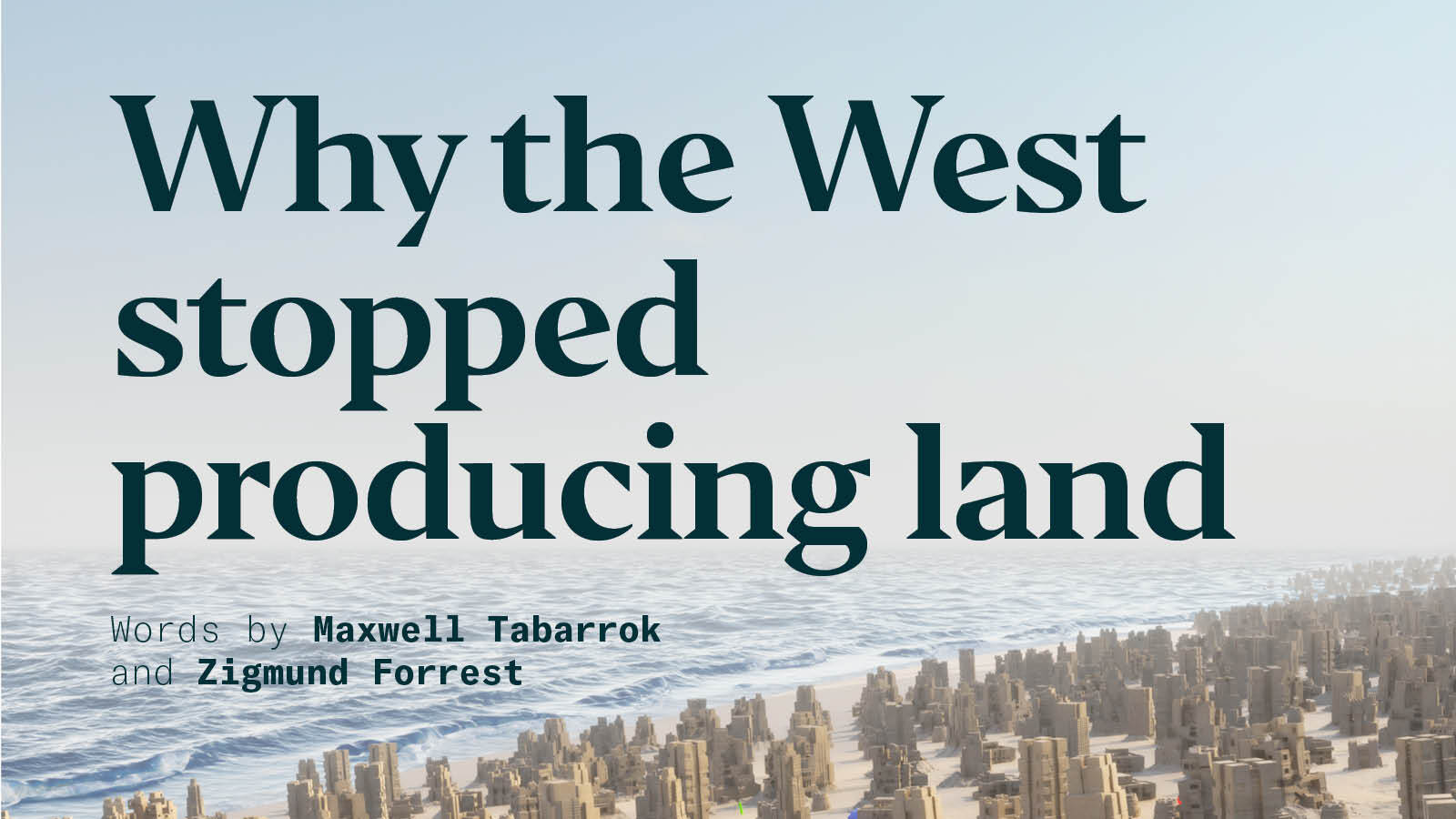
Why the West stopped making land
Land reclamation in the US effectively stopped in the 1970s due to environmental regulations, despite the potential to create valuable real estate near major city centers.
What: The US has largely ceased reclaiming land since the 1970s, ending a practice that created significant portions of Boston, San Francisco, and Washington, D.C. Regulations like NEPA (1969) and the Clean Water Act (1972) increased planning timelines to decades and costs into the hundreds of millions, while countries like China continue to reclaim vast areas.
Why it matters: The analysis suggests that while environmental laws were necessary to curb industrial pollution, they have created a bottleneck for urban growth by making it functionally impossible to expand land area in cities facing severe housing shortages.
Decoder
- Land reclamation: The process of creating new land from oceans, riverbeds, or lakebeds.
- NEPA: The National Environmental Policy Act, which requires federal agencies to assess the environmental effects of their proposed actions prior to making decisions.
Original article
Full article content is not available for inline reading.
Explore all 71 articles in today's digest
Fresh dev news, AI-digested daily. Never miss a trend at devoured.fyi