DEVOURED
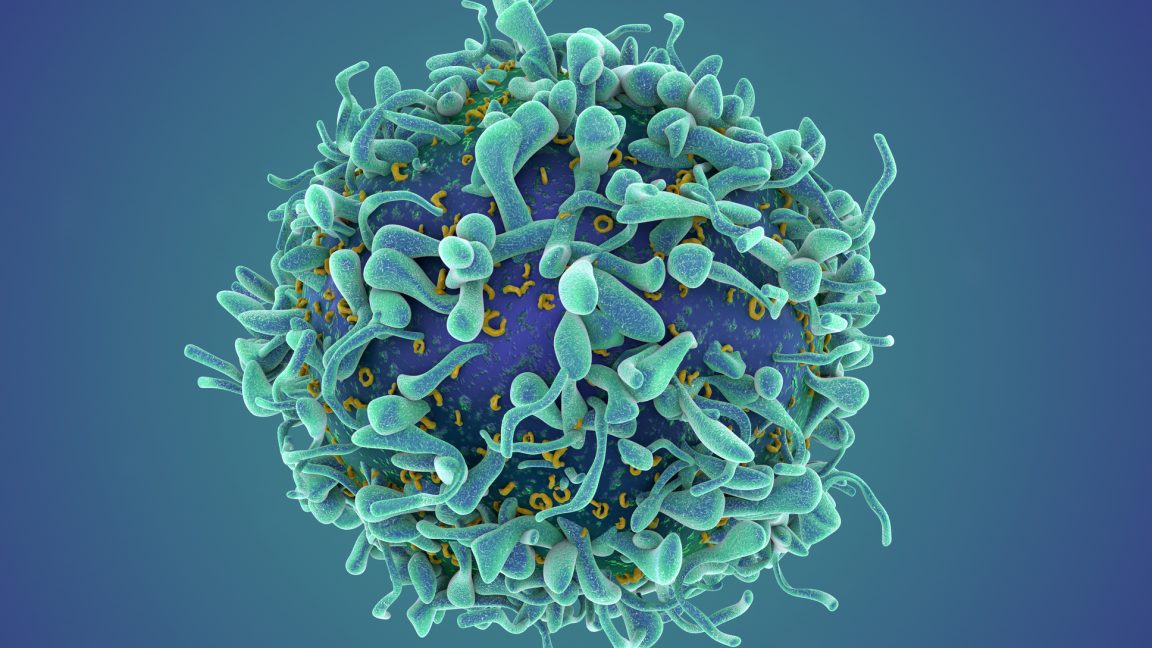
A revolutionary cancer treatment could transform autoimmune disease
Jan Janisch-Hanzlik's MS symptoms reversed within months of CAR T therapy, the cancer treatment now tested for autoimmune diseases.
What: Jan Janisch-Hanzlik, 49, became the first patient to receive experimental CAR T cell therapy for multiple sclerosis at University of Nebraska Medical Center in June 2025. Originally designed for blood cancers (FDA-approved 2017), CAR T reprograms patient T cells to attack B cells causing autoimmune diseases. Kyverna's stiff person syndrome trial: all 26 patients stopped other immunotherapies 4-12 months post-treatment. Cartesian Therapeutics is testing mRNA-based CAR T. Treatment costs hundreds of thousands of dollars; risks include infections, inflammation, and potential secondary T-cell cancers.
Why it matters: CAR T's expansion from oncology to autoimmunity represents a shift from lifelong immunosuppression to one-time immune reset, but introduces uncertain long-term cancer risks to patients with non-terminal chronic conditions.
Decoder
- CAR T (Chimeric Antigen Receptor T cell therapy): Treatment that genetically engineers a patient's T cells to recognize and destroy specific target cells, originally designed for blood cancers, now tested for autoimmune diseases.
- B cells: Immune cells that produce antibodies; when they malfunction in autoimmune diseases, they create antibodies that attack the body's own tissues.
- Stiff person syndrome: Rare autoimmune condition causing muscle stiffness and painful spasms with no FDA-approved treatment.
- Off-the-shelf CAR T: Donor-derived T cells genetically modified to avoid immune rejection, allowing one donor to provide cells for 1,000+ patients at significant cost savings.
Original article
CAR T cell therapy was originally designed to target and wipe out cancer by reprogramming patients' immune cells. It is now being offered to patients in clinical trials for autoimmune conditions. There's still uncertainty about how well the treatment works for autoimmunity and how any benefits might last, as well as what long-term side effects might arise. Another major challenge is that the therapy can cost hundreds of thousands of dollars after accounting for hospital stays, cell engineering, and other expenses.
Explore all 67 articles in today's digest
Fresh dev news, AI-digested daily. Never miss a trend at devoured.fyi