DEVOURED
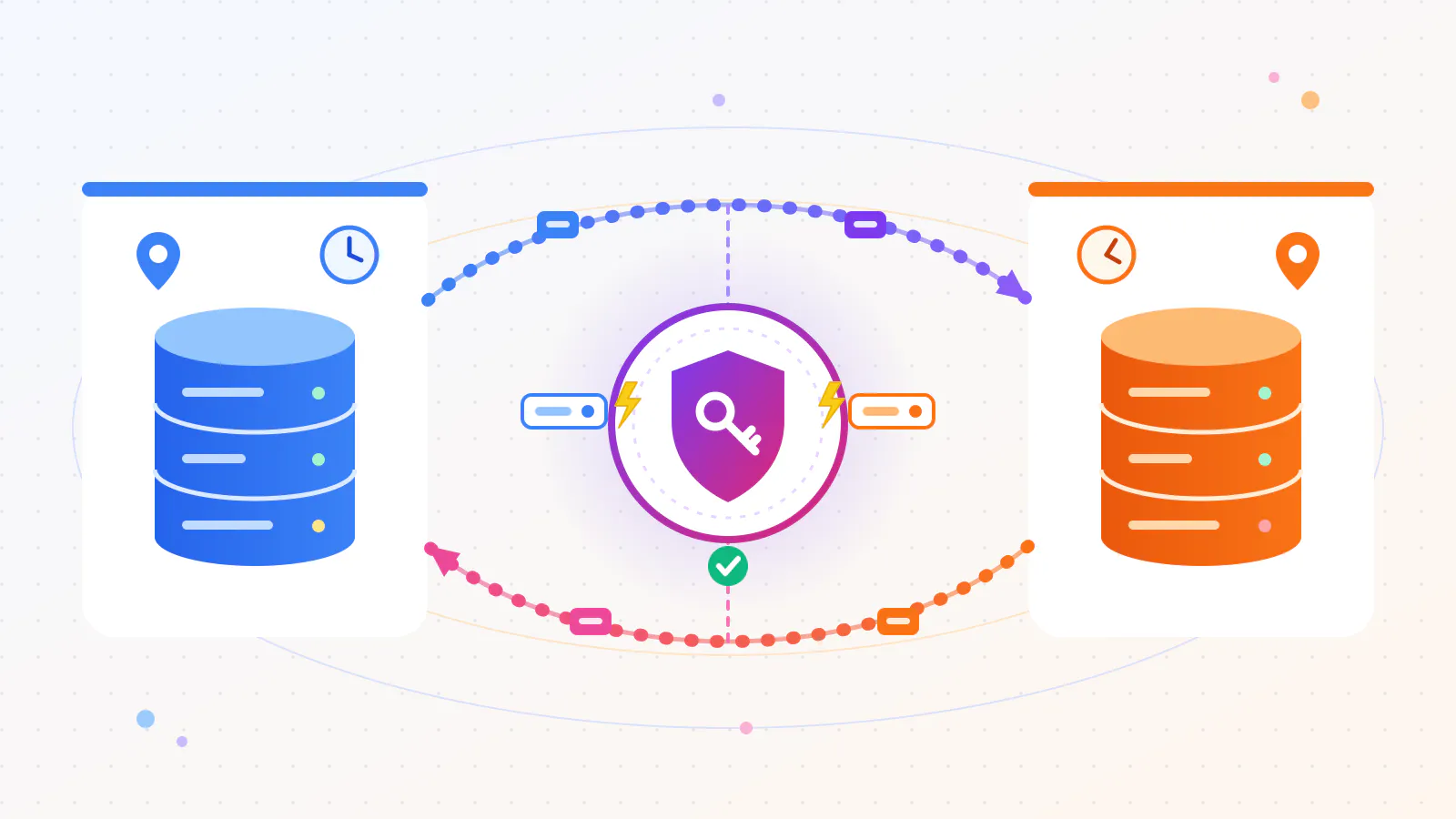
Active-Active Oracle GoldenGate Across Regions: Decide Who Owns the Data Before You Resolve Conflict
Active-active Oracle GoldenGate replication is fundamentally an ownership problem, as conflict handlers like 'last-writer-wins' can silently discard valid transactions.
What: Consultant Zalak Shrof argues that bi-directional replication requires classifying every table by data ownership (single-owner, escrowed, or commutative) before configuring resolution tools.
Why it matters: Conflict detection mechanisms only clean up after ownership violations; they cannot ensure business logic consistency without predefined rules for each data set.
Takeaway: Before enabling GoldenGate CDR, create a mapping document where each table is assigned a conflict policy like USEMAX or USEDELTA based on its business use case.
Deep dive
- Active-active setups are prone to 'lost updates' where concurrent writes cancel each other out.
- Clock skew can cause timestamp-based resolution to pick the wrong winner.
- Delta resolution (USEDELTA) preserves increments but can break invariants like non-negative inventory.
- Always use single-ownership patterns for critical business invariants.
- Veridata is essential for detecting divergence that automated handlers might mask.
Decoder
- GoldenGate CDR: Conflict Detection and Resolution; features in Oracle's data replication software that handle data conflicts in bi-directional topologies.
- Escrow method: A concurrency control technique where a system allocates a specific 'slice' or quota of an inventory to a site to allow local updates without coordination.
Original article
Full article content is not available for inline reading.
Explore all 69 articles in today's digest
Fresh dev news, AI-digested daily. Never miss a trend at devoured.fyi