DEVOURED
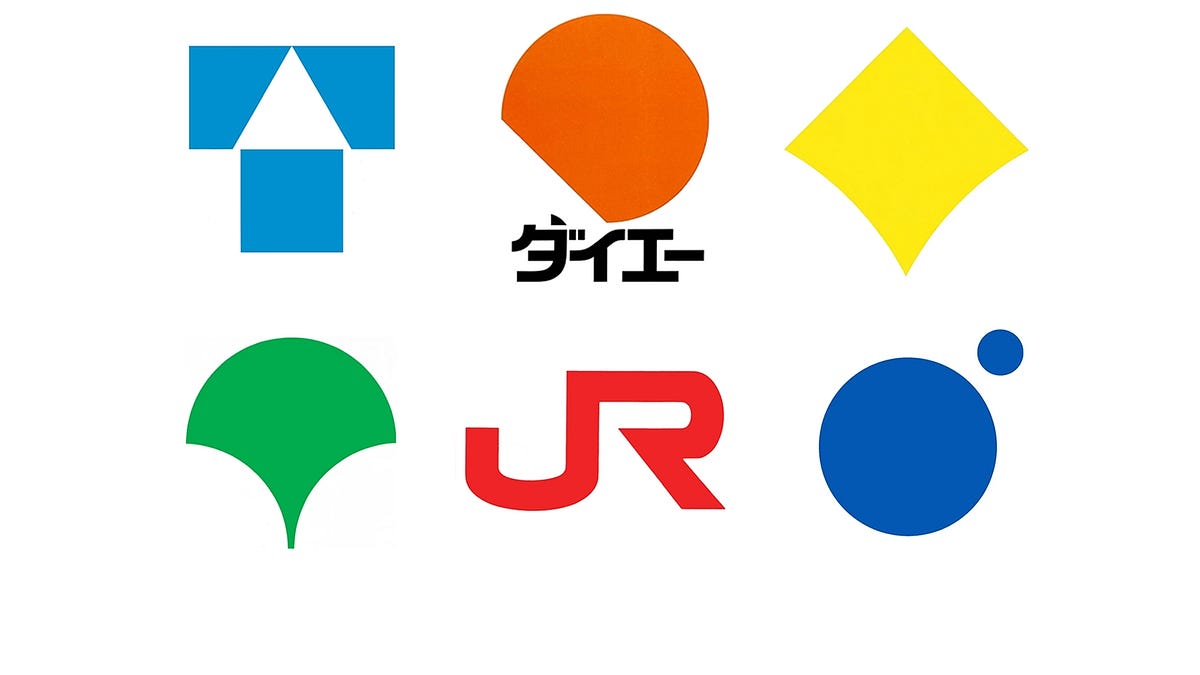
Japanese Logos: 43 Classic Logo Designs and the Stories Behind Them
Design
Logohistories
Japanese graphic design from 1960 to 1990 established a global standard for corporate identity by merging modernist geometry with strategic business goals.
What: Designer Richard Baird details the history of 43 iconic logos, including Sony, NTT, and Mazda. He highlights the role of consultancies like PAOS in connecting visual systems to major organizational restructuring efforts.
Why it matters: The era demonstrates how deep collaboration between designers like Yusaku Kamekura or Ikko Tanaka and corporate leadership can produce brand systems that last decades.
Deep dive
- Modernist influence: Japanese design leveraged geometric reductionism popularized post-WWII.
- Strategic integration: PAOS consultancy proved that logos were not just aesthetic, but instruments for corporate-wide change.
- Olympic impact: Events like Tokyo 1964 and Expo '70 provided a national stage for experimentation.
- Identity programs: Shifted companies from fragmented logos to unified house styles.
- Symbolism: Designers balanced 'mon' (traditional Japanese crests) with international modernist trends.
- Case studies: Covers NTT privatization, JAL's crane mark, and Bandai's transition to a multinational toy giant.
Decoder
- Corporate Identity (CI): A comprehensive design system that includes logos, typography, and visual language to express a company's business strategy.
- PAOS: An influential Japanese design consultancy that pioneered long-term corporate identity strategy in the 1970s and 80s.
- Mon: Traditional Japanese family crests, often highly geometric and symbolic.
Original article
Japanese graphic design produced some of the world's most influential corporate identities between the 1960s and early 1990s, with designers including Yusaku Kamekura, Ikko Tanaka, Kazumasa Nagai, and Takenobu Igarashi. Forty-three classic logos spanning Sony, NTT, Japan Airlines, Mazda, and the Tokyo 1964 Olympics demonstrate how modernist geometry, cultural symbolism, and distinctive visual ideas helped establish recognizable identities. Many also emerged from strategic corporate identity programs, particularly those developed by PAOS, that connected visual design with broader organizational transformation.
Explore all 69 articles in today's digest
Fresh dev news, AI-digested daily. Never miss a trend at devoured.fyi