DEVOURED
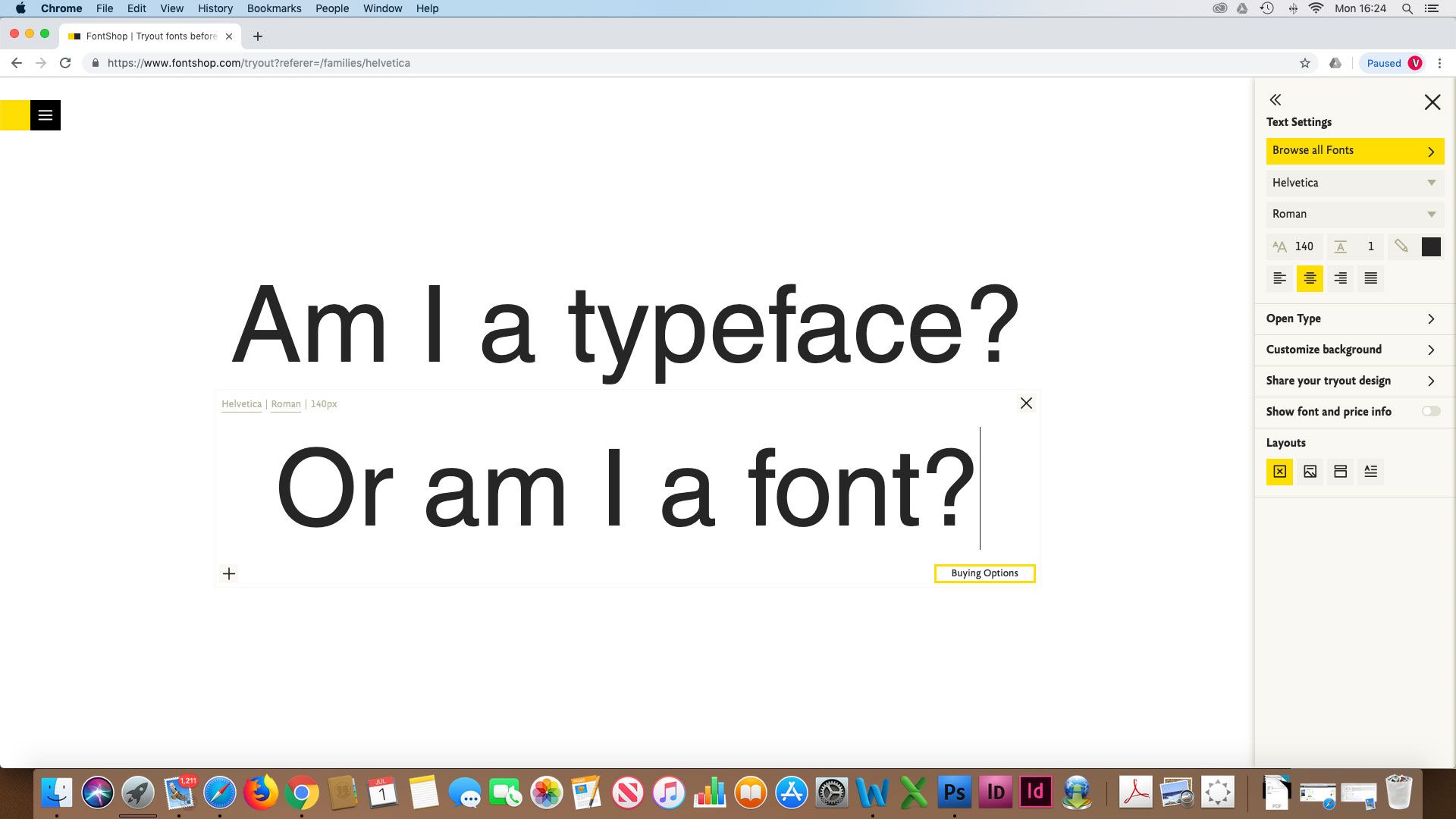
Font vs typeface: the ultimate guide
Variable fonts have effectively dismantled the traditional distinction between a font and a typeface by consolidating entire families into a single file.
What: A typeface is a cohesive visual design family, while a font is a specific instance (weight/style) or digital file. Variable fonts, introduced via OpenType in 2016, use sliders to modify parameters like weight and width within one file, blurring these historic definitions.
Why it matters: The rise of digital distribution and variable font technology makes traditional distinctions based on physical metal type sets largely obsolete, shifting the focus from 'collections of files' to 'tunable parameters.'
Deep dive
- A typeface refers to the overarching aesthetic family (e.g., Helvetica).
- A font refers to the specific weight/style iteration or the digital file itself.
- Metal type history defined 'founts' as sets of physical lead characters.
- Variable fonts use axes (weight, width, optical size) to provide infinite variations in one file.
- CSS uses 'font-family' for the typeface and 'font-weight' for specific variants, complicating the nomenclature.
Decoder
- Variable font: An OpenType font format that allows multiple styles and weights to be stored within a single file, adjustable via continuous axes rather than discrete static files.
- Optical size: A design feature that adjusts the stroke thickness and spacing of characters based on the intended display size to improve readability.
- X-height: The height of lowercase letters, excluding ascenders (like 'h') and descenders (like 'p'), which impacts legibility.
Original article
Full article content is not available for inline reading.
Explore all 56 articles in today's digest
Fresh dev news, AI-digested daily. Never miss a trend at devoured.fyi