DEVOURED
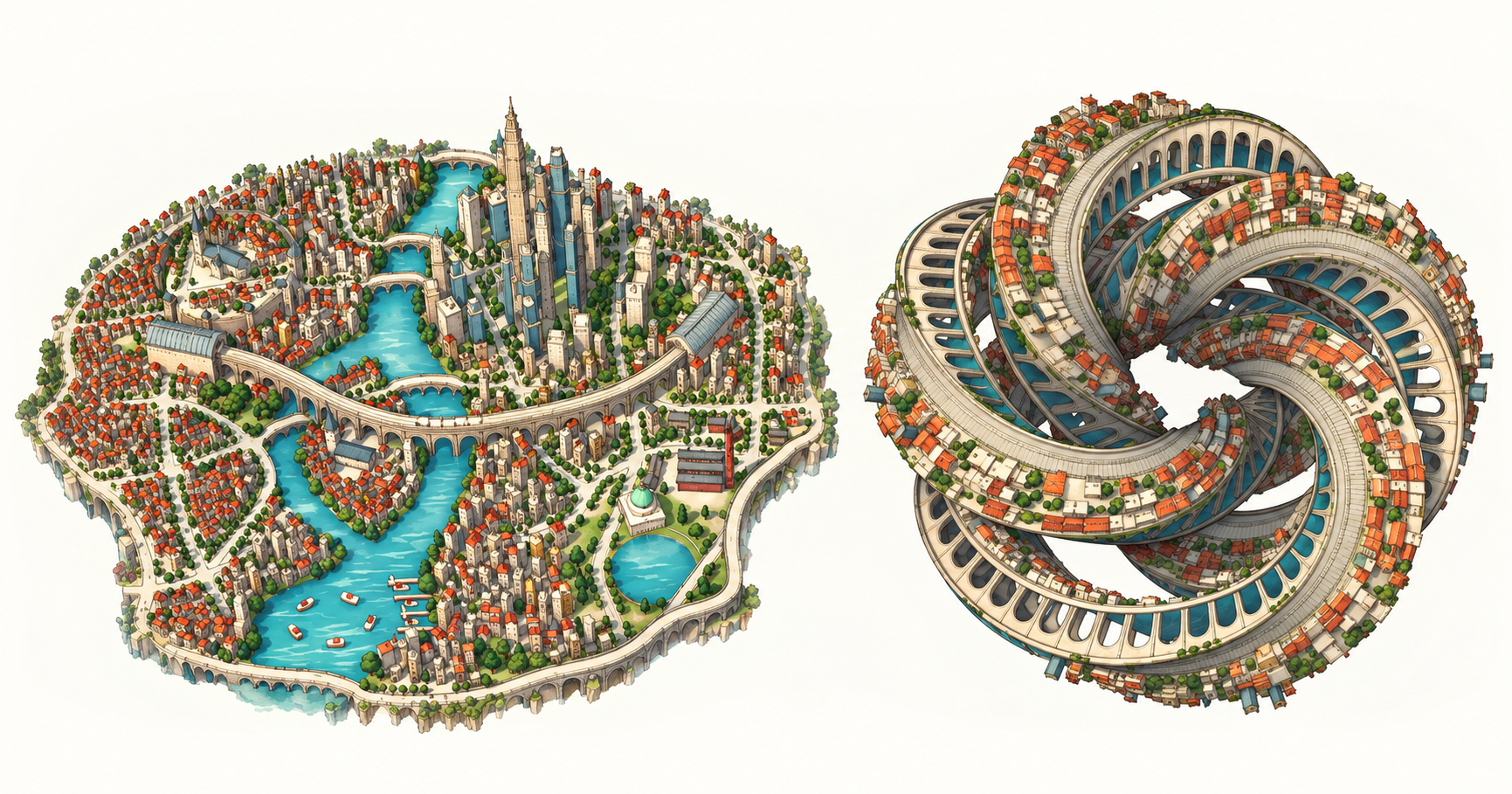
Neural Networks Are Already Clean
Recent research suggests neural networks are fundamentally 'cleaner' than assumed, as apparent polysemanticity is often just recursive generalization, not superposition.
What: Researchers investigated InceptionV1, Qwen3, and other models, finding that neurons typically have coherent, discoverable functions rather than arbitrary mixtures of unrelated tasks.
Why it matters: This shift in understanding implies that mechanistic interpretability is far more tractable than previously feared, suggesting we can read networks directly rather than needing complex de-tangled mappings.
Deep dive
- Polysemanticity in neurons is largely explained by 'recursive generalization', where a neuron develops related sub-facets over training.
- Superposition is rare and was largely an artifact of poor interpretability tools and bad training architectures in early vision models.
- Interpretability improves with model scale because neurons become more specialized.
- Modern techniques like attribution graphs are highly effective at reading internal model circuits.
- The paper rejects the idea that models pack unrelated features to save space.
Decoder
- Polysemanticity: When a single neuron appears to respond to multiple unrelated concepts.
- Superposition: The theory that networks pack more concepts than dimensions by folding unrelated features into the same neuron.
- Attribution graph: A visualization showing how data and signals flow through model components, identifying which circuits drive specific outputs.
Original article
Full article content is not available for inline reading.
Explore all 51 articles in today's digest
Fresh dev news, AI-digested daily. Never miss a trend at devoured.fyi