DEVOURED
From Controls to Continuous Assurance: Rethinking GRC for Cloud-Native Environments
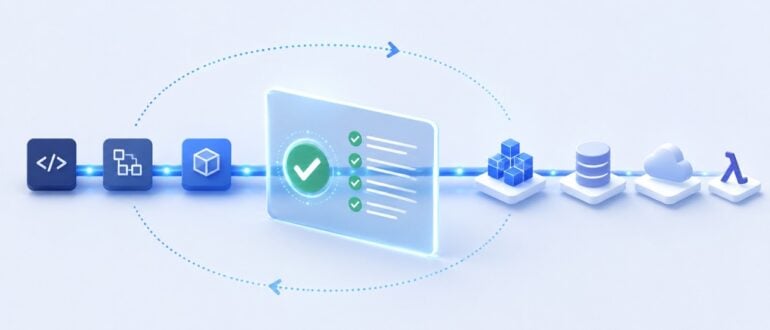
Static annual GRC audits are failing in cloud-native environments, forcing a shift toward continuous assurance through policy-as-code and automated evidence gathering.
What: Governance, Risk, and Compliance (GRC) is moving from periodic manual checks to automated verification via tools like OPA and Kyverno. By integrating controls into CI/CD pipelines, evidence is generated as a byproduct of deployments, enabling real-time risk assessment rather than point-in-time snapshots.
Why it matters: The frequency of infrastructure changes in cloud-native systems makes traditional auditing processes both technically outdated and operationally bottlenecked.
Deep dive
- From Snapshot to Stream: Compliance is now an ongoing measurement rather than a scheduled event.
- Controls-as-Code: Compliance rules should be defined in version-controlled manifests (e.g., Terraform, Kubernetes).
- Drift Detection: Automated tools must flag deviations from baseline configurations immediately.
- Integrated Tooling: Consolidation of security dashboards is required to correlate data across the stack.
- Cultural Shift: GRC teams must transition to becoming active participants in engineering pipelines.
Decoder
- GRC: Governance, Risk, and Compliance—a strategy for managing an organization's overall approach to risk and regulatory requirements.
- Policy-as-Code: The practice of writing security and compliance rules in code, allowing them to be automatically enforced and tested in software delivery pipelines.
- Cloud Security Posture Management (CSPM): Tools that monitor cloud environments for misconfigurations and security risks against known compliance frameworks.
Original article
Cloud-native environments make periodic GRC checks obsolete because infrastructure and configurations change continuously.
Explore all 57 articles in today's digest
Fresh dev news, AI-digested daily. Never miss a trend at devoured.fyi