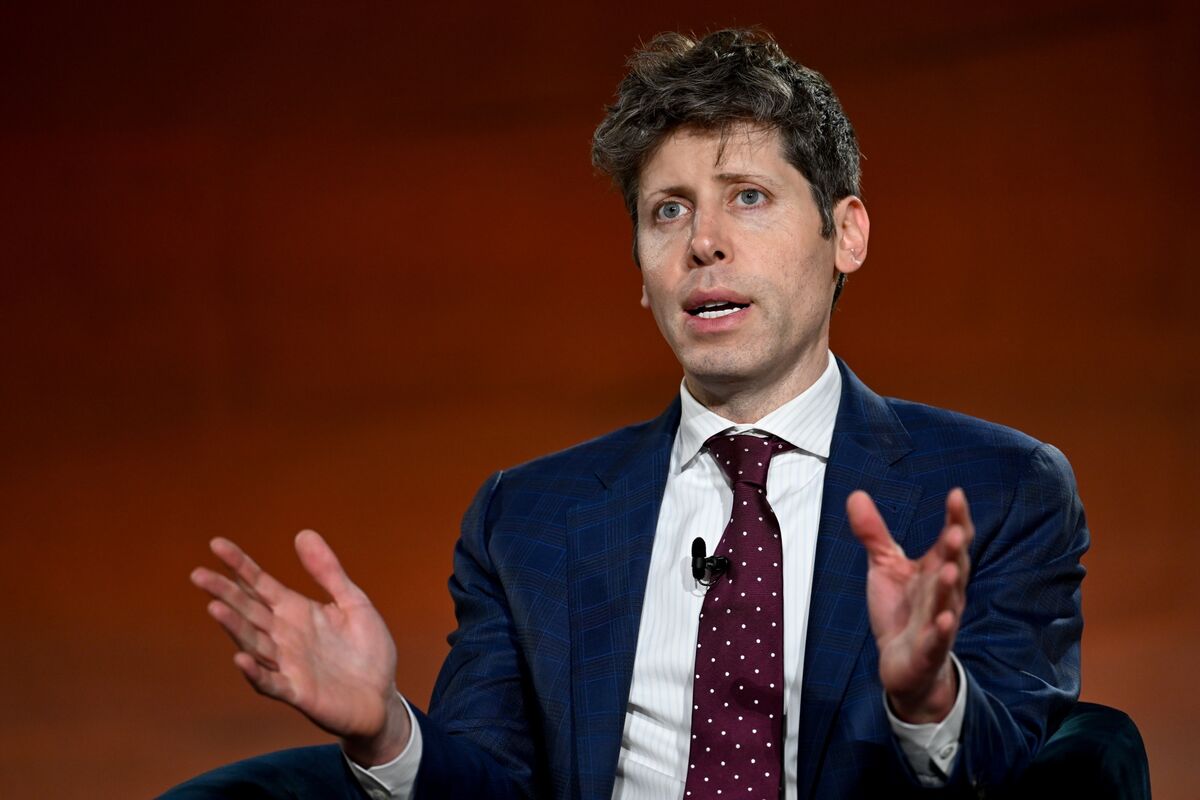
Musk Testifies He's Suing OpenAI to Stop Altman's ‘Looting' (8 minute read)
Elon Musk is suing OpenAI to reverse its nonprofit-to-profit transformation, claiming founders abandoned the charitable mission after using his money and reputation to launch the company.
Deep dive
- Musk testified that OpenAI's conversion from nonprofit to for-profit amounts to "looting a charity" and could set dangerous precedent for all philanthropic organizations in America
- OpenAI was founded in 2015 as a nonprofit counterweight to Google's AI development, which Musk felt was insufficiently concerned with safety after conversations with Larry Page
- Musk contributed funding, reputation, and guidance in OpenAI's early years before leaving the board in 2018, a year before Microsoft's $13 billion investment began
- OpenAI's attorneys argue Musk wanted to "take absolute control" of a for-profit OpenAI but was refused by other founders who wouldn't give "the keys of artificial intelligence" to one person
- Internal emails from 2016-2017 show Musk himself wrote that it "might have been a mistake for OpenAI to be set up as a nonprofit" and suggested creating a standard C corporation with parallel nonprofit
- The for-profit conversion completed in October 2025 left the OpenAI Foundation nonprofit with 26% equity while Microsoft received 27%, with the foundation maintaining organizational control
- Musk's lawyer alleges Microsoft was a "knowing accomplice" to betraying OpenAI's charitable mission when it invested starting in 2019
- The dispute emerged partly over equity splits—Musk felt a proposed equal four-way split was unfair since he was "providing all of the funding" and wanted majority interest
- The jury will issue an advisory verdict after three weeks of testimony, but the final ruling and remedies will come from the federal judge using jury findings as guidance
- The case involves reviewing years of emails, texts, and corporate documents, with testimony from multiple VIP witnesses from the AI industry
Decoder
- For-profit restructuring: The process of converting a nonprofit organization into a business that can generate profits for shareholders rather than being mission-driven
- Advisory verdict: A jury's non-binding recommendation to a judge, who retains final decision-making authority rather than being bound by the jury's findings
- Equity stake: Ownership percentage in a company that typically comes with rights to profits and voting power on major decisions
- C corp: A standard corporation structure that can have unlimited shareholders and is taxed separately from its owners
- Capped profits: A limit on how much money investors can make, with excess returns redirected to the nonprofit mission rather than shareholders
Original article
Elon Musk says that OpenAI's pivot from a charity to a for-profit business is wrong and sets a concerning precedent for other philanthropic efforts. He is suing OpenAI and its co-founders, seeking the unwinding of the for-profit restructuring of OpenAI. Musk says he felt that OpenAI's founders took advantage of his money, reputation, and guidance to get the startup off the ground, only to abandon its public-focused principles and capitalize on the project for their own benefit. OpenAI's attorneys say that the lawsuit is primarily an attempt to undermine a top competitor to Musk's own AI company.