DEVOURED
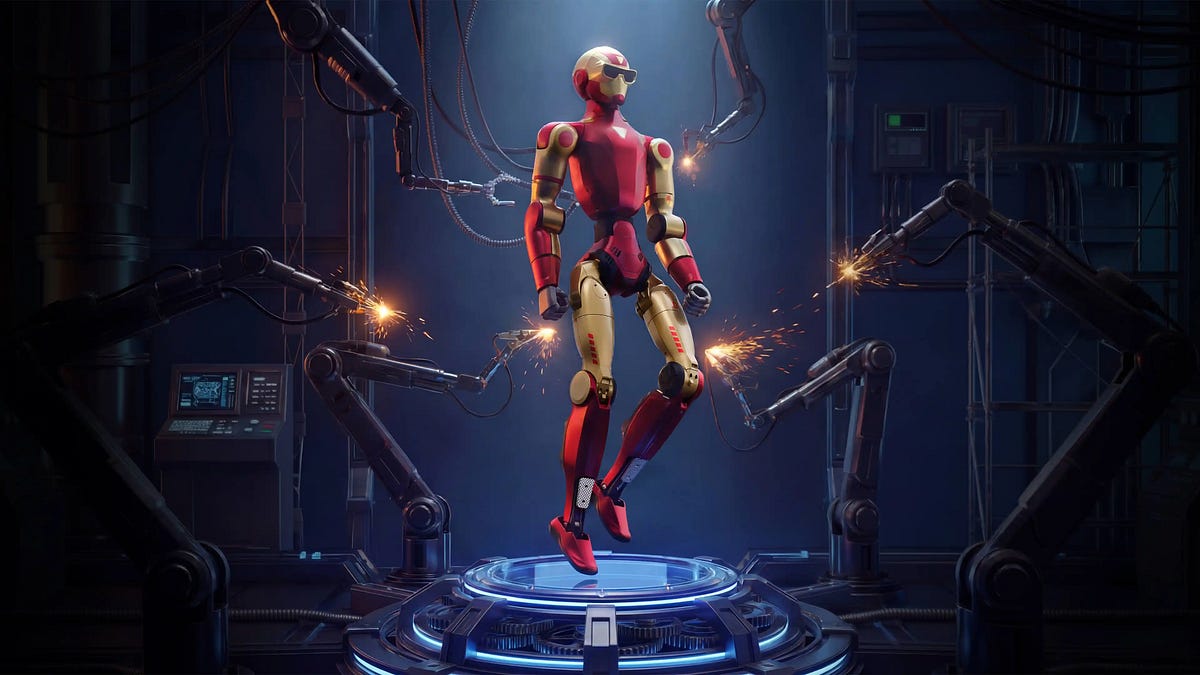
The Robots Are Here
Unitree's rapid iteration in humanoid robotics is successfully decoupling physical production capacity from human labor, positioning them as a dominant force.
What: Unitree is utilizing vertical integration and intense R&D iteration cycles—similar to the DJI drone playbook—to produce humanoids like the H2 and G1 that are significantly cheaper than Western counterparts.
Why it matters: The reliance on Chinese hardware and actuator supply chains makes it difficult for US companies to compete on cost or production volume, creating a national security and economic dilemma for Western manufacturers.
Deep dive
- Robotics are moving toward general-purpose utility by decoupling capital from human labor costs.
- Actuators represent 50-70% of a humanoid robot's bill of materials, and US manufacturing currently lacks the capacity to produce these at scale.
- Unitree’s iteration speed is driven by in-house actuator production and a local supply chain.
- Current humanoid research in the US is heavily reliant on accessible, standardized hardware platforms like Unitree’s robots.
- Proposed import bans on Chinese robotics could stall Western research efforts before domestic alternatives reach comparable maturity.
Decoder
- Actuator: The mechanical component responsible for moving or controlling a mechanism or system, converting energy into motion.
- Vertical integration: A strategy where a company owns or controls its supply chain, manufacturing, and distribution, rather than relying on external vendors.
- Bill of Materials (BOM): A comprehensive list of raw materials, sub-assemblies, and components required to build a product.
Original article
Full article content is not available for inline reading.
Explore all 42 articles in today's digest
Fresh dev news, AI-digested daily. Never miss a trend at devoured.fyi