DEVOURED
How Stripe Uses 4 Developer-First UX Principles to Drive Massive Adoption
Stripe achieved $1.9 trillion in 2025 payment volume by prioritizing a developer-first UX centered on clear documentation, fast API integration, a clean UI, and robust error handling.
What: Stripe's success, processing $1.9 trillion in 2025, is attributed to four developer-first UX principles: task-oriented documentation, quick API integration via pre-built flows and libraries, an intuitive dashboard, and strong error handling with idempotent requests. These principles reduce perceived risk for developers.
Why it matters: This analysis provides a blueprint for how SaaS and API-first companies can achieve rapid adoption and scale by designing their product experience around the primary technical user, emphasizing trust and reducing friction at every stage of the developer journey.
Takeaway: If you're building a developer-facing product, focus on creating documentation around common user jobs, enabling fast "first success" moments with quickstarts and pre-built components, ensuring a clear UI, and implementing robust error handling with idempotency.
Deep dive
- Stripe processed $1.9 trillion in total payment volume in 2025, a 34% increase, due to its developer-first UX approach.
- Developers are often the initial buyers for payment infrastructure, and Stripe designs for their needs to ensure quick, safe, and easy integration.
- Principle 1: Clear documentation – Docs are structured around use cases and common jobs (e.g., "accept payments online"), not just comprehensive API references. They aim to shorten the distance between intent and working output.
- Principle 2: Fast API integration – Stripe enables quick "first success" moments with prebuilt UIs (Checkout Sessions API), hosted Checkout for 75+ payment methods, and official libraries/sample code, reducing upfront commitment.
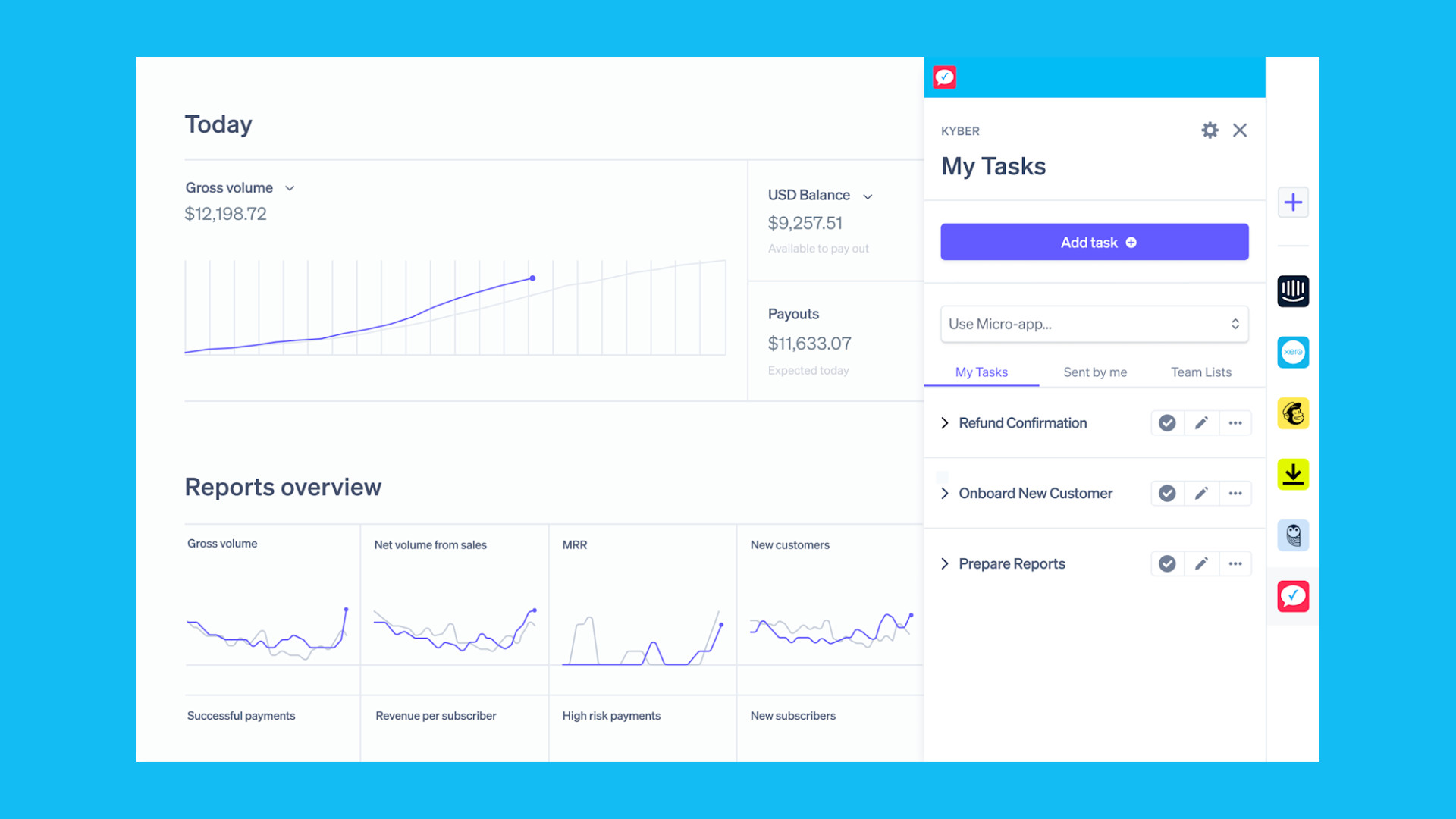
- Principle 3: Clean UI – The Stripe Dashboard is designed for operational clarity for both developers and non-technical teams (finance, support) to manage transactions, refunds, and subscriptions without engineering help.
- Principle 4: Strong error handling – Stripe uses conventional HTTP response codes, documents error codes, logs API requests, and supports idempotent requests to allow safe retries and prevent duplicate operations, which is crucial for payments.
- The combined effect of these principles is to reduce perceived risk for developers at every stage, from initial evaluation to ongoing operations.
- This approach is applicable to any product where a technical user is the initial adopter, by designing around their specific needs for clarity, speed, and control.
Decoder
- Idempotency (in APIs): The property of an operation that, when executed multiple times with the same parameters, produces the same result and side effects as if it were executed only once. This is critical in payment systems to prevent duplicate charges if a request is retried.
Original article
Full article content is not available for inline reading.
Explore all 68 articles in today's digest
Fresh dev news, AI-digested daily. Never miss a trend at devoured.fyi