DEVOURED
Inside OpenAI's Low-Latency Voice Infrastructure
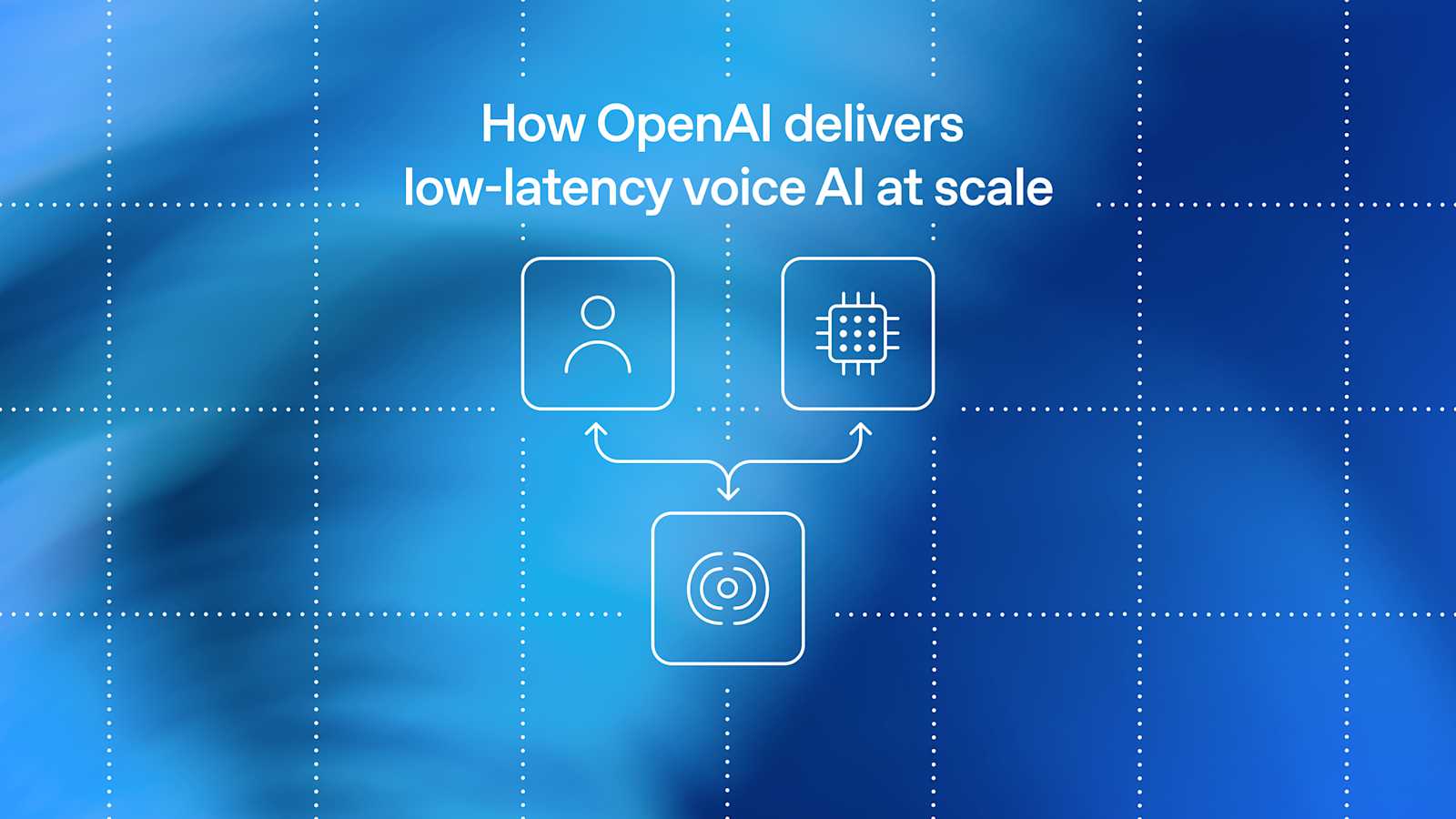
OpenAI published technical details on their redesigned WebRTC infrastructure that uses a split relay and transceiver architecture to deliver low-latency voice AI interactions globally.
What: OpenAI's engineering team revealed their custom WebRTC architecture that separates relay and transceiver components to optimize real-time voice streaming for products like ChatGPT Voice at global scale while maintaining sub-second response latencies.
Why it matters: This architecture addresses the unique challenges of AI voice products where traditional WebRTC stacks aren't optimized for the asymmetric nature of AI conversations (long user audio input followed by streaming AI audio generation), offering insights for developers building similar real-time AI applications.
Decoder
- WebRTC: Web Real-Time Communication, a framework for peer-to-peer audio/video streaming in browsers and applications
- Relay: A server component that forwards network traffic between clients when direct connections aren't possible
- Transceiver: A component that handles both transmission and reception of media streams
Original article
OpenAI detailed a redesigned WebRTC architecture using a split relay and transceiver model to maintain low-latency, real-time voice interactions at global scale.
Explore all 52 articles in today's digest
Fresh dev news, AI-digested daily. Never miss a trend at devoured.fyi