DEVOURED
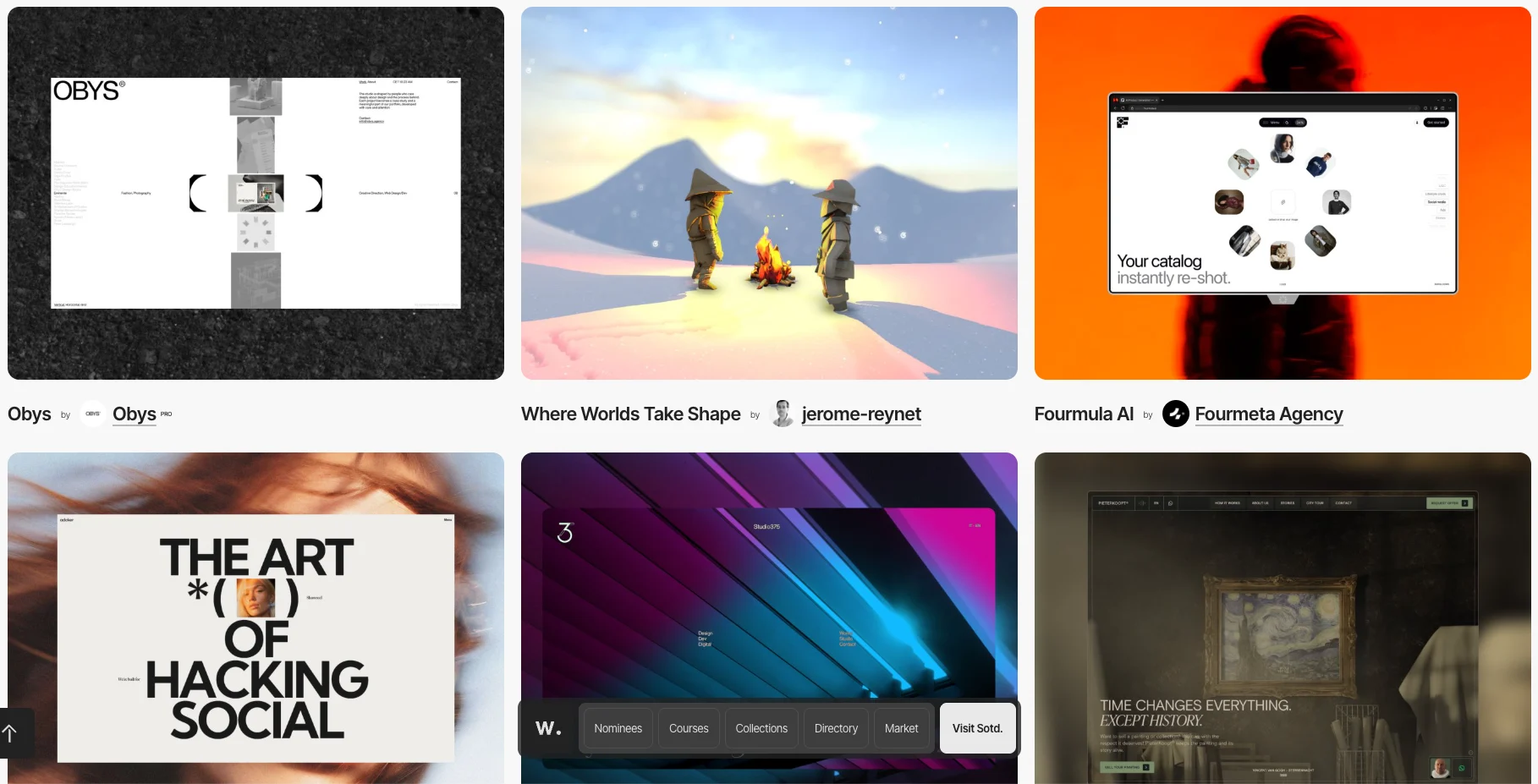
The Psychology Behind Well Designed Websites People Actually Remember
Websites make a crucial first impression within 50 milliseconds based on visual cues alone, not content, with the domain name acting as the foundational memory device.
What: Riley Morgan's article discusses how memorable websites use visual elements like whitespace, color contrast, balanced layouts, and "scrollytelling" to guide visitors emotionally, emphasizing that aesthetic judgment occurs in under 50 milliseconds.
Why it matters: This highlights that successful web design is less about information density and more about creating an intuitive, emotionally resonant user journey, starting even before a user clicks, underscoring the importance of psychological principles in digital product development.
Takeaway: Review your website's first 50-millisecond impression and consider if its domain name is phonetically fluent, semantically fit, and distinctive to maximize memorability.
Deep dive
- First impressions on websites are formed in under 50 milliseconds, based purely on visual cues, not content.
- Key visual cues include ample whitespace, strong color contrast, and balanced layouts, which make content feel approachable and professional.
- Effective websites function as "guided journeys" using narrative architecture, like progressive disclosure and "scrollytelling."
- Progressive disclosure reveals information gradually, creating a dynamic experience.
- "Scrollytelling" turns scrolling into a rewarding action, with new information fading in.
- The domain name is a critical memory device, influencing perception before a click.
- Memorable domain names are phonetically fluent (easy to say), semantically fit (connects to purpose), and distinctive.
- Typography (serif for authority, sans-serif for modern, script for warmth) and color palettes carry significant psychological weight, triggering associative memory.
- Visual consistency across all elements (fonts, image styles, button radii) is crucial for coherence, reducing cognitive load and building trust.
Decoder
- Progressive disclosure: A design technique that shows users only necessary information at a given moment, revealing more as needed, to prevent cognitive overload.
- Scrollytelling: A web design technique that uses the act of scrolling to unfold a narrative, often integrating data, imagery, and text dynamically.
- Phonetic fluency: The ease with which a word or name can be pronounced, which aids memorability.
- Semantic fit: How well a name or term aligns with the meaning or purpose it represents.
Original article
Well-designed websites create memorable first impressions within 50 milliseconds through visual cues like whitespace, color contrast, and balanced layouts rather than content. The most effective sites function as guided journeys that lead visitors through deliberately evoked emotional states, using progressive disclosure and "scrollytelling" techniques. A domain name serves as a crucial memory device that plants an impression before visitors even click the link, making it a foundational element of memorable web design.
Explore all 68 articles in today's digest
Fresh dev news, AI-digested daily. Never miss a trend at devoured.fyi